
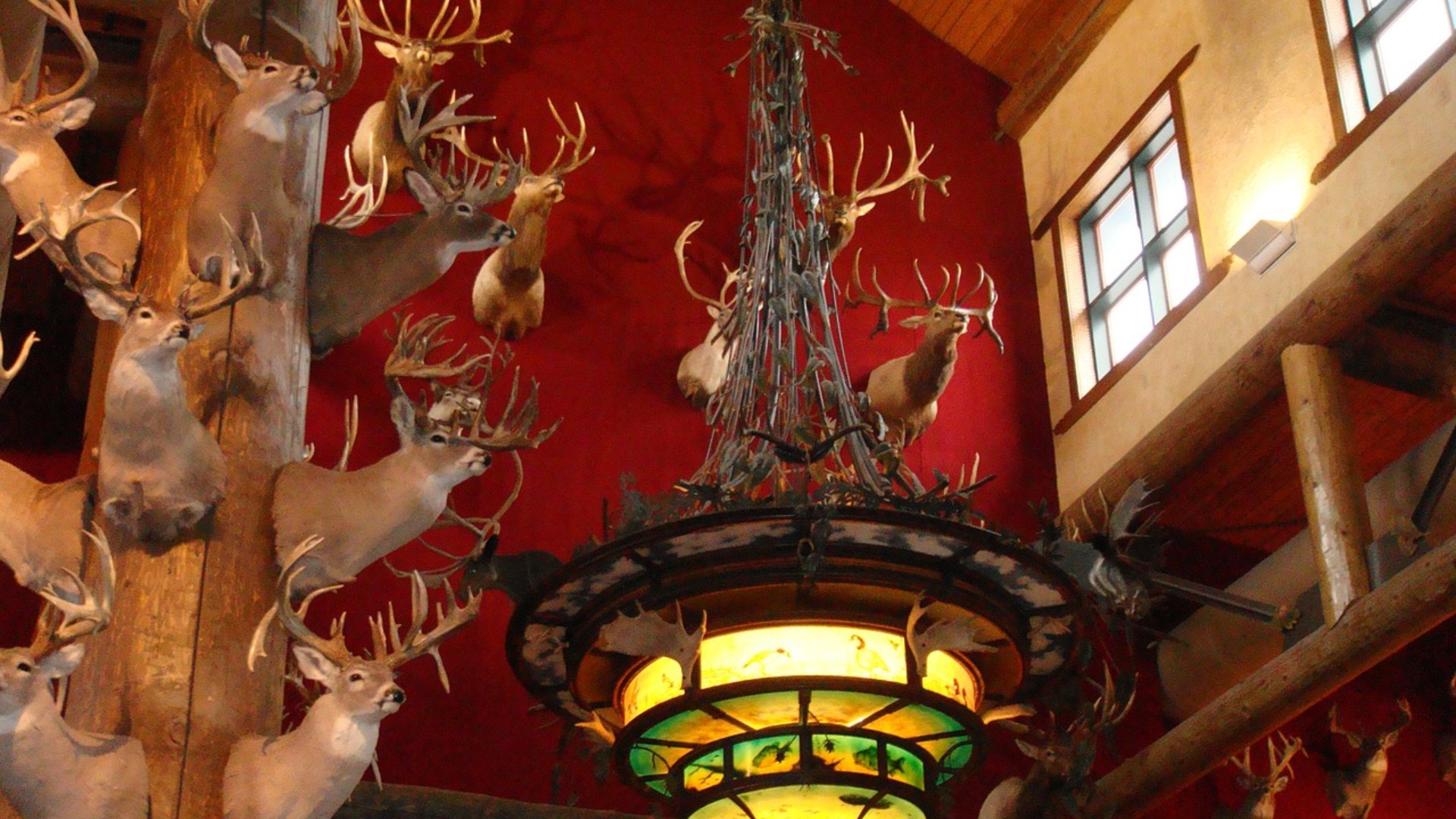
Global community rejects trophy hunting
Trophy hunting focuses on hunting an animal, taking a body part from it to be displayed and leaving the rest of the carcass behind. These absurd deaths translate into huge amounts of money paid by trophy hunters that travel around the world with the goal of hunting wild animals for pleasure.

This barbaric practice is a big problem in South Africa.
According to new survey by World Animal Protection, South African citizens as well as foreign tourists want to put an end to trophy hunting and boost wildlife experiences while travelling, without hurting or killing any animal, wild or domestic.
The NGO surveyed 10,900 people from all around the globe to find that usual people stand against this sport, while supporting friendly, responsible wildlife tourism. In the opinion of 84 per cent of the respondents, the South African government should be urged to promote peaceful wildlife tourism over wildlife hunting, this way also improving the country’s reputation. Moreover, as much as seven out of ten South African citizens wish that trophy hunting was banned.
Edith Kabesiime, Wildlife Campaign Manager (Africa) at World Animal Protection declared:
“The government needs to listen to South African voices who clearly don’t want their wildlife heritage plundered any further and want to see change. Continuing to make wild animals shoot-to-kill targets at the mercy of wealthy westerners is outdated in a world where public attitudes are swiftly shifting."
Nick Stewart, Global Head of Campaigns for Wildlife at World Animal Protection, added:
“The Republic of South Africa needs to take decisive action to move towards a more wildlife friendly future. It’s not too late for them to grasp the opportunity to make a clear stand, by fully embracing non-lethal wildlife-friendly alternatives, including responsible wildlife tourism."
Conservation of Africa’s iconic wildlife was also a topic of discussion, especially since South Africa opened-up a public consultation on the Conservation and Sustainable Use of South Africa’s Biodiversity draft.
Last year, the Department of Forestry, Fisheries and the Environment of South Africa has announced new measures to stop the domestication of captive lions as well as the species’ captivity policies, with unfortunately very little progress. Small steps with the goal of changing the current attitude on wildlife reserve might as well translate into a better reputation for the country, which could also turn into a more competitive destination for responsible, wildlife and environment friendly tourists.
World Animal Protection urges the Republic of South Africa to reject such bloody practices and publicly commit to halt trophy hunting, while at the same time putting its resources in finding alternative attractive wildlife tourism projects.
Source: standardmedia.co.ke

Latest Articles