Nijmegen Is One Of Netherlands's Most Sustainable Cities
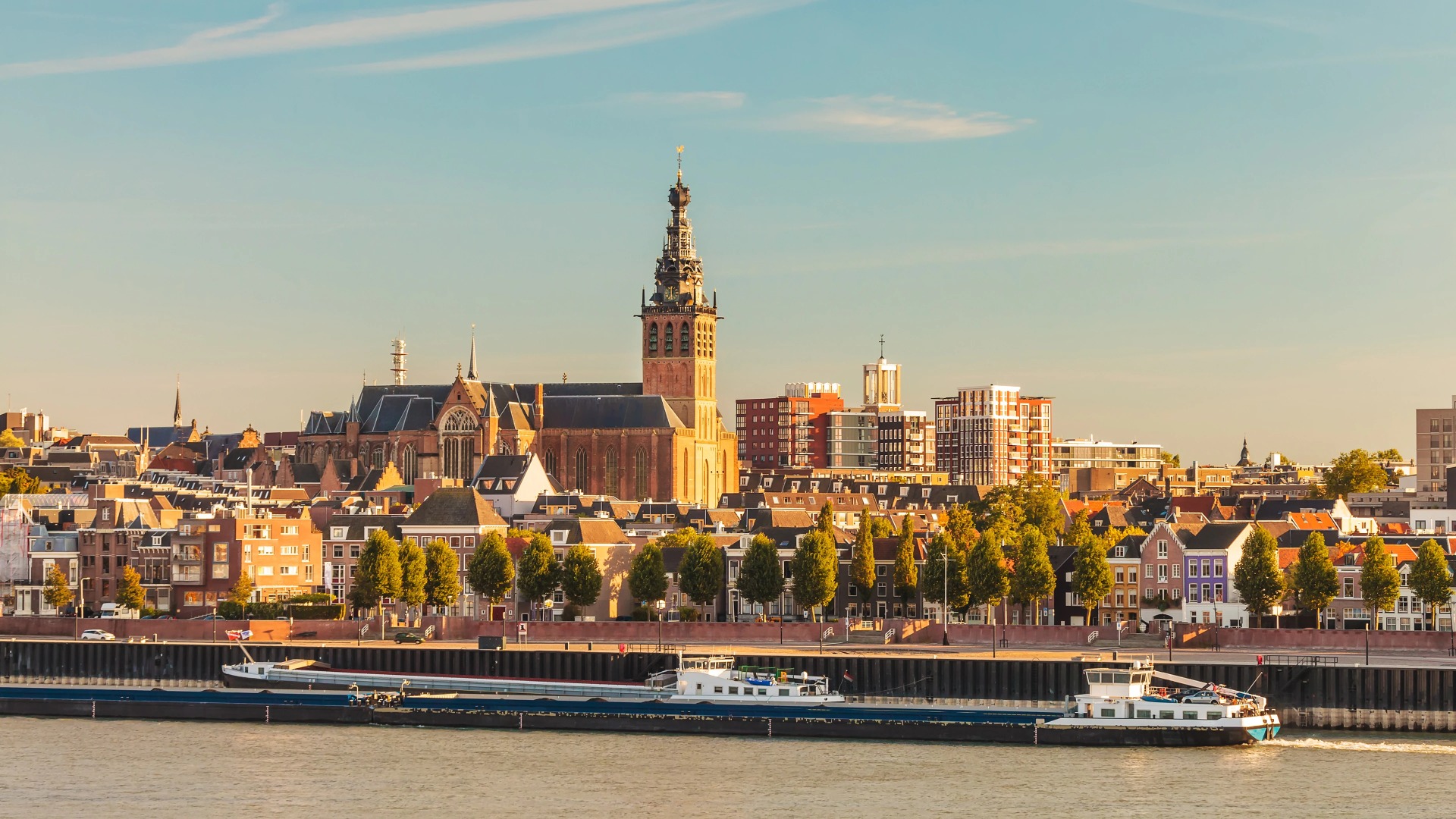
Located 10 kilometres from the German border in the eastern part of the country, Nijmegen is a progressive university city that is mostly unknown.

Nijmegen is neither the first or the last city in Europe to work towards sustainability, but it is among the most innovative ones. Nonetheless, very few people outside of the Netherlands are familiar with it.
The citizens of this clean, compact city place a high value on quality of life and environment, making it the oldest city in the Netherlands with a number of green projects that can compete with those of Amsterdam.
The city's historic core is car-free, and it boasts 60 kilometres of bicycle "superhighways," green fuel for its public transport, and car-sharing programmes. Back in 2016, they even retired their coal power plant, transforming it into a solar park with 9,000 solar panels and two windmills that provide electricity to over 400 households in the city.
Because of its multiple sustainability projects, it may serve as an inspiration to those who are experiencing similar difficulties as a result of climate change.
Despite its relatively recent designation as a progressive hub (2018 European Green Capital), Nijmegen's history of environmental activism spans centuries. Student protests in the city go back many decades. During the 1960s to the mid-1980s, it was the epicentre of the Dutch counterculture and protest movement. The National Student Trade Union Movement of the Netherlands was established here in 1963. As early as the 1960s, it hosted socialist meetings, including those for women's clubs and small communities. As a result of the many students who have adopted these sustainable practises, the university is now thriving.
However, the danger of flooding is an inevitable part of daily life in Nijmegen, making the implications of climate change there difficult to deny. The city faced one of its biggest flood risks in 1995. Nijmegen's water levels rose to perilous heights, and the stream almost overflowed its banks. A total of 250,000 people were moved from their houses as a precaution. In response to this reoccurring concern about water contamination, a countrywide water management initiative called Room for the River was launched. Protecting Nijmegen involved consulting with the municipal council and inhabitants, who ultimately agreed on a plan that included the construction of a bypass waterway.
The Dutch have been constructing dikes to control river flooding for generations. This innovative scheme instead took use of the natural course of the river by redirecting its path. Changing the location of the dikes and re-creating a portion of the river's natural basin on its northern bank were necessary for the project to succeed.
This massive urban regeneration project has resulted in the construction of a city beach-front, acres of leisure space where people can swim, attend lessons, listen to music performances, and spend time outdoors. This includes a newly formed centre island that is covered in flowers throughout the springtime. The initiative, which has been called "the greatest climate adaptation project in Europe," has shown that it is feasible to upgrade infrastructure while still protecting animals and natural resources.
With its diverse projects, the city of Nijmegen has made significant progress towards sustainability and serves as an inspiration to other communities worldwide.
source: bbc.com

Latest Articles