
Nipah Bat Virus Kills At Least Two People In Kerala, India
The government of India has activated several disease prevention and control initiatives.

The administration of the southern Indian state of Kerala has confirmed the deaths of at least two persons with the uncommon bat illness Nipah virus.
Nipah is an infectious disease that may be passed on to humans from animals. The virus likely evolved in the Pteropodidae family of bats. People who are infected might experience high body temperature, nausea, vomiting, vomiting blood, and difficulty breathing, with a death rate of up to 75%.
On Tuesday, the National Institute of Virology verified the deaths of two persons. Both Mangalatt Haris, 40, and Kallat Mohammedali, 49, unfortunately passed away. In addition to Mr. Mohammedali, the authorities have identified his nine-year-old son and his brother-in-law, who is 25 years old, as positive cases.
When Nipah virus was discovered again in Kerala, Health Minister Veena George urged residents to "be watchful." According to the minister, the government has compiled a list of 75 people who are believed to be high-risk main contacts of the alleged Nipah victims.
Measures for disease prevention and control have been put into effect. In Kerala, efforts are being made to conduct contact tracking and monitoring. The authorities in the neighbouring districts of Kannur, Wayanad, and Malappuram have issued a warning about the situation. A control room was then established to coordinate further actions, and a special conference of physicians was requested thereafter.
The Nipah virus: what is it?
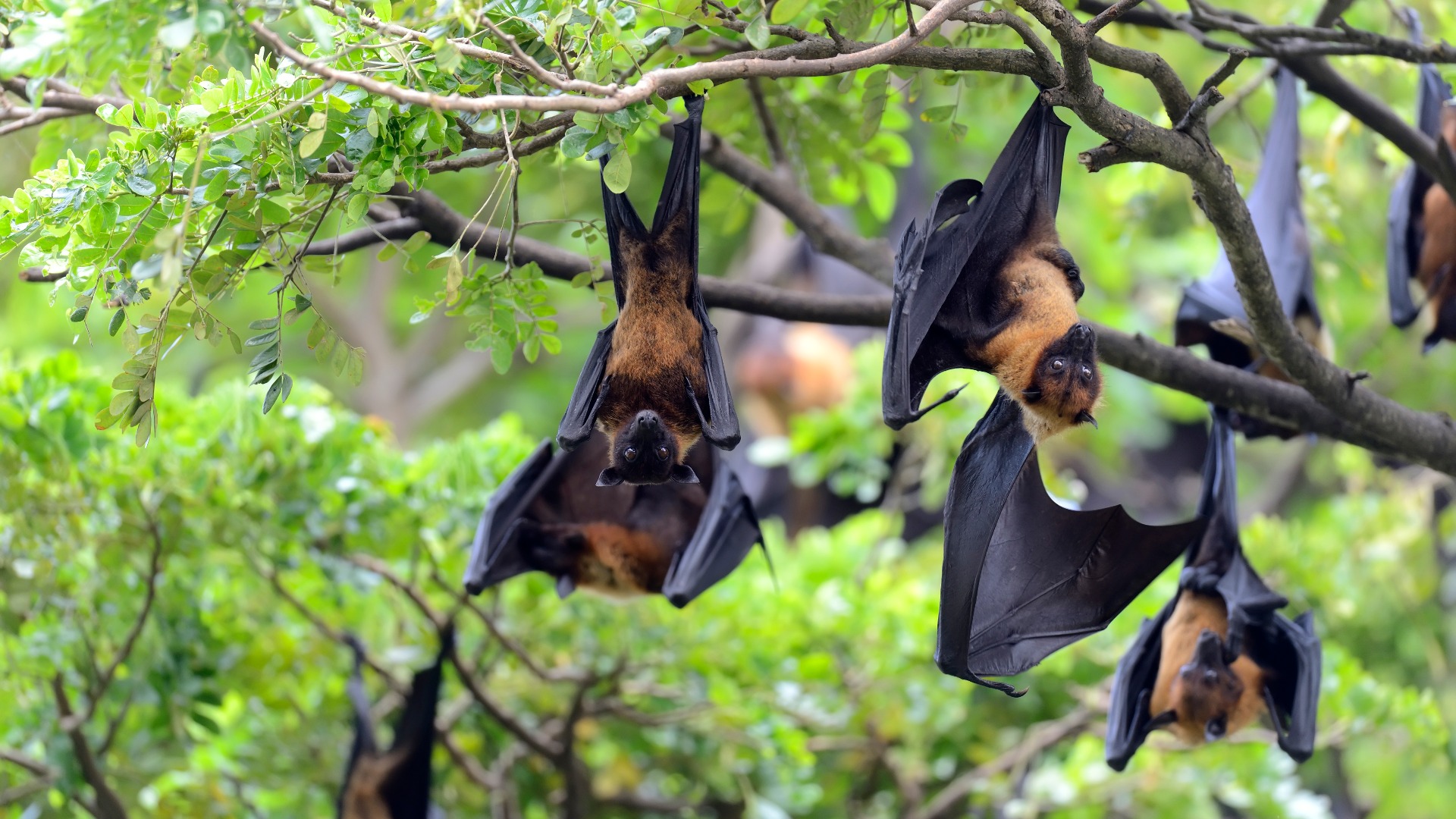
Infectious with both animals and humans, Nipah virus (NiV) is classified as a zoonotic pathogen. The World Health Organization (WHO) reports that the Pteropodidae fruit bat is the primary host of the Nipah virus.
The virus may spread from person to person via sexual contact or by eating tainted food. Infections in humans can result in anything from no symptoms to a rapid deterioration into a life-threatening respiratory illness or deadly encephalitis.
According to the World Health Organization, the first symptoms of infection include a high temperature, headache, muscular pain (myalgia), nausea, and vomiting. Within 24 to 48 hours, acute encephalitis symptoms such as dizziness, fatigue, reduced awareness, and neurological indications might develop to coma. Atypical pneumonia and other serious respiratory issues, such as acute respiratory distress, may also affect certain persons.
The incubation period, or time between being infected and feeling sick, may be anything from four to fourteen days.
The World Health Organization (WHO) estimates that the case fatality rate is between 40 and 75 percent, but warns that this estimate may be highly variable depending on the severity of the epidemic and the quality of local epidemiological monitoring and clinical care.
According to the European Union's European Centre for Disease Prevention and Control, the first epidemic of the virus was documented in 1989 among pig breeders in Malaysia. A year later, 11 slaughterhouse employees in Singapore became ill after being exposed to diseased pigs that had been brought from a farm in Malaysia. These two epidemics resulted in 246 documented cases. It is hypothesized that the infection spread from pig to human by direct contact with pig fluids or pig tissue.
The earliest symptoms of a viral infection are often vague, which may make for a less-than-perfect diagnostic process.
Patients infected with the virus are treated for respiratory and neurologic problems with extensive support care since there are no medications or vaccinations available to treat the illness.
Source: thenationalnews.com

Latest Articles