Sardinian Town Lures Digital Nomads
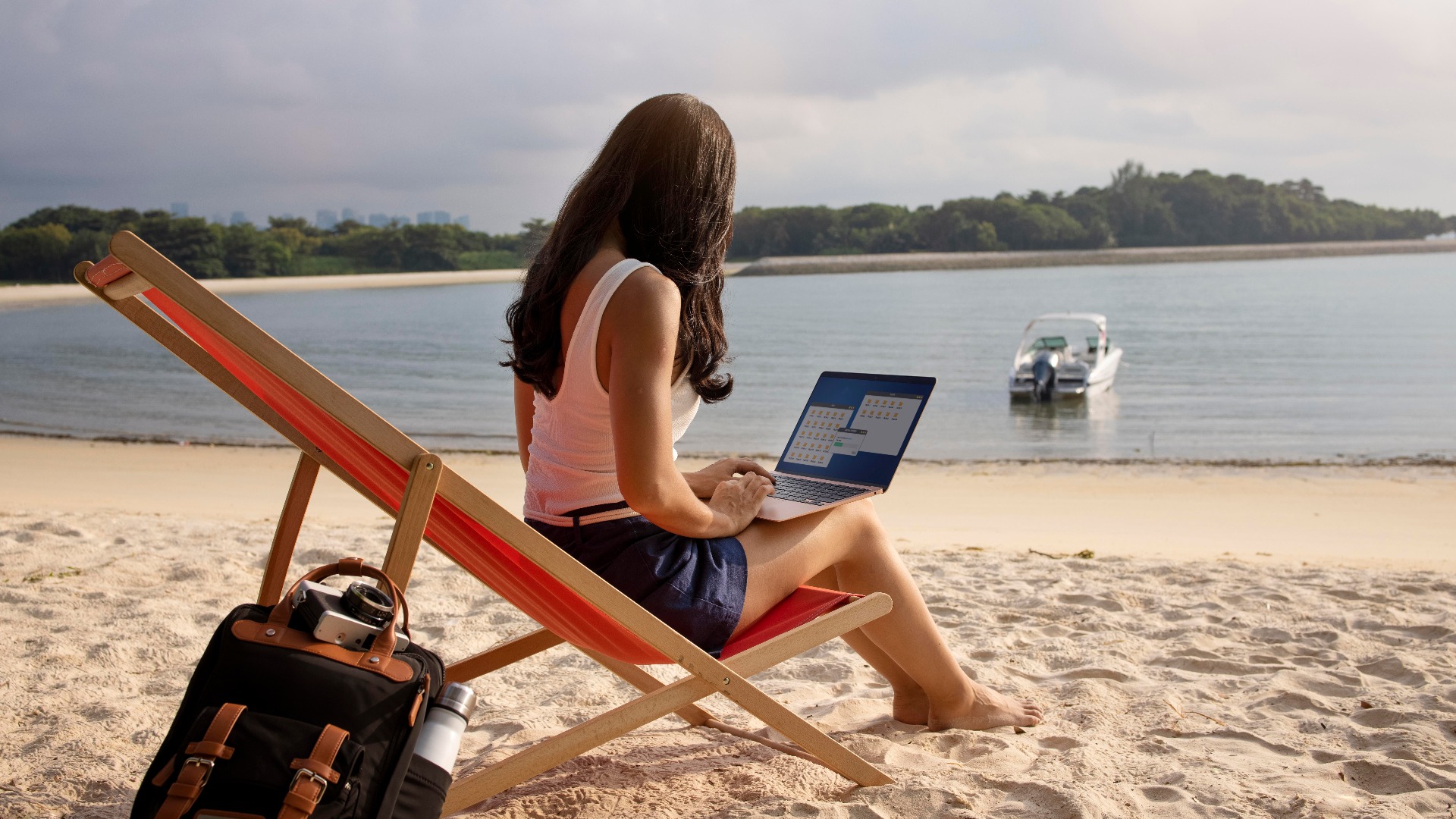
A little town in Sardinia has opened its doors to the world of digital nomads by providing them with free housing.

To meet the rising demand, businesses catering to remote employees by providing services such as hotels and vacation packages, have been working around the clock since the COVID-19 outbreak.
Want to work from a place as beautiful as a picture postcard? A new program in Sardinia allows visitors to stay in a free apartment for three months while they explore the island's breathtaking landscape of rolling hills and terracotta roofs.
Ollolai, located in the middle of Sardinia, is far off from the island's popular and sometimes crowded shores, but it preserves the country's cultural history, as if it were frozen in time. The place is stunning from a tourist's perspective, but its population is rapidly declining - the population dropped from 2,250 to 1,300 in under a century. With a record low in population growth registered for 2022, Italy has been dealing with the situation for some time and now considers it a national emergency.
The nation has been actively promoting visits of all durations. Their $1 home sale attracted people from all around the globe. Now Ollolai hopes that international investors would help revitalize the city's historic core.
The 'Work from Ollolai' initiative intends to spend €20,000 euros to turn the area into a digital nomad hotspot. Over the following two years, the town will play home to a handful of remote employees, each of whom will stay for a maximum of three months. Aspiring digital nomads have until the end of December to submit their applications online.
If you're interested in learning about the culture of the people of Ollolai, here is the perfect spot to do it. Houses where farmers and shepherds used to sleep on the floor with their animals have been equipped with a desk and an internet connection. Making friends will be simple, as the locals are overjoyed to meet travellers and extend invitations to all the best events.
While the nomads are responsible for their own transportation, the city will pay for their housing, utilities, bills, and service taxes. However, there's a catch to this program, as Veronica Matta, head of local cultural association Sa Mata explained:
"This is not a free holiday.
"[Workers] must have a proven background as a digital nomad and leave a concrete piece of work at the end of their stay – be it a conference, an essay, research paper or documentary."
According to Matta, professional remote employees from all sectors are invited to apply, including but not limited to those in the industries of technology, media, finance, real estate, architecture, as well as those in the creative arts, literature, music, science, and education.
In exchange for being welcomed into the community, visitors are expected to pledge to leave behind a "knowledge jolt" that enhances the quality of life for the entire community.
Source: euronews.com

Latest Articles