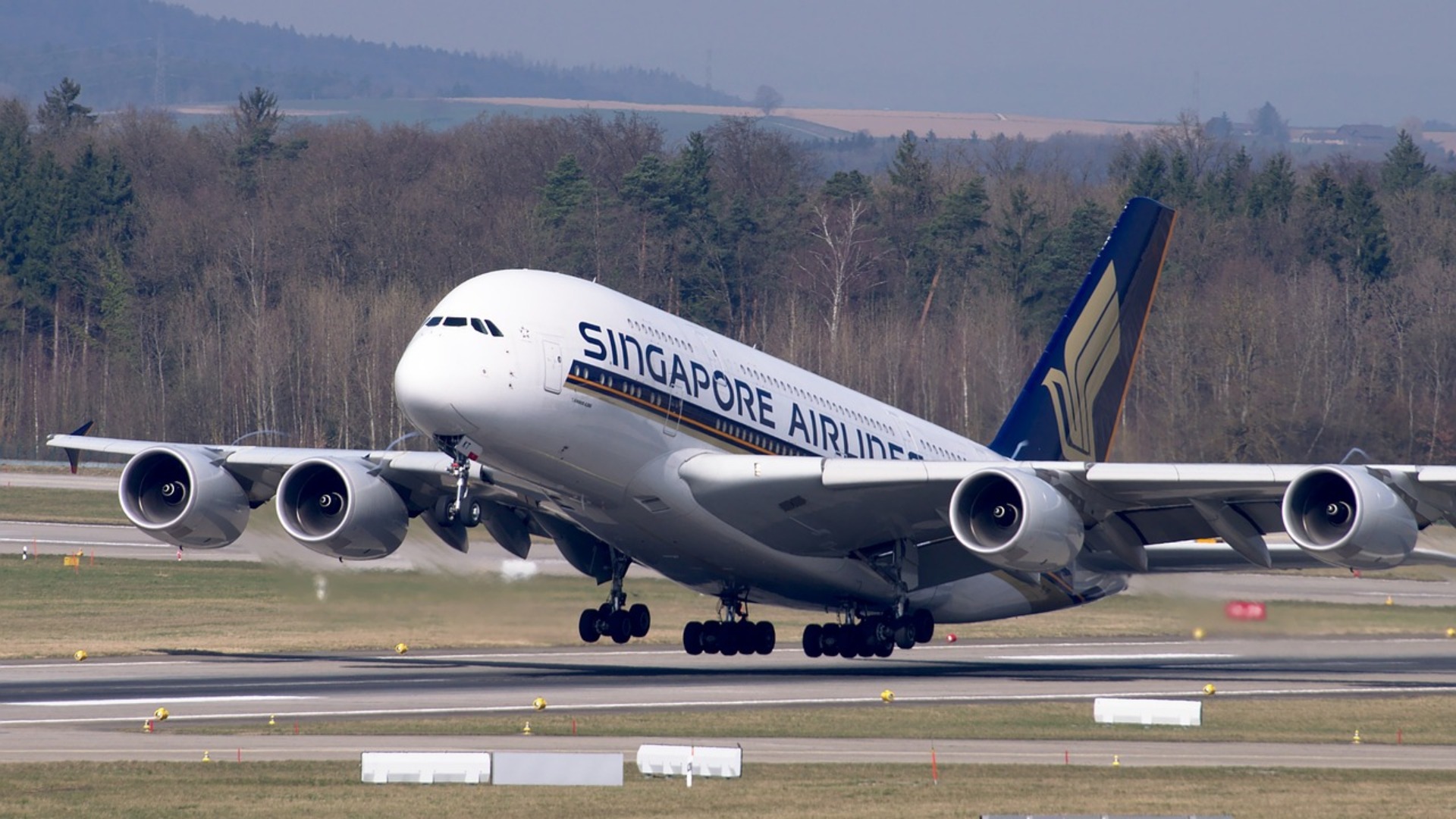
Singapore Airlines aims to target net-zero carbon emissions by 2050
By installing SITA OptiClimb® the airline will be able to analyse and boost efficiency for fuel consumption, this way reducing carbon emissions as a part of its long-term commitment to sustainability.

The new technology uses machine-learning algorithms in conjunction with 4D weather forecasts enabling pilots to choose ideal climb speeds for their air crafts in order to maximize fuel use with different flying circumstances, while reducing polluting emissions.
“Singapore Airlines employs several levers to meet our sustainability targets, including the newest technology to enhance fuel economy to minimise carbon emissions. SITA OptiClimb® supports this outcome with enhanced analytics. We will keep looking for new ways to lower our carbon impact and reach net-zero carbon emissions by 2050,” explained Captain Quay Chew Eng, Senior Vice President of Flight Operations at Singapore Airlines.
Yann Cabaret, CEO at SITA FOR AIRCRAFT, replied:
“We’re delighted to be part of Singapore Airlines’ path towards making aviation more sustainable, ecologically and financially. We can assist all airlines and their employees in making more informed decisions that produce higher operational efficiency today with innovative, cost-effective, and data-driven technologies like SITA OptiClimb®.”
The in-flight guidance solution was already installed by Singapore Airlines on one of its Airbus A350 aircraft starting August 2022. It is estimated that SITA OptiClimb® will help the company cut down on up to 15,000 tonnes of carbon emissions per year.
As climate change is seen as an emergency that needs to be addressed by all means as soon as possible, the aviation sector also set a goal of reaching net-zero carbon emissions status by 2050. This translates in intensive use of sustainable aviation fuels (SAF), innovative technology and operations saving both fuel and energy, and limiting exploitation of traditional fossil fuels.
If all global carriers would use SITA OptiClimb®, the industry could account for 5.6 million tonnes less CO2 emissions each year, which would be a notable achievement of the sector. However, according to IATA, carbon emissions across the aviation network will sum up 21.2 gigatonnes of by 2050, so the tool might become a necessity.
SITA OptiClimb® is a part of SITA OptiFlight suite of innovative carbon emission reduction solutions offered by SITA, one of the world’s leading air transport and technology specialists.
Source: breakingtravelnews.com

Latest Articles