The FAA Increases Regulatory Control Over Boeing
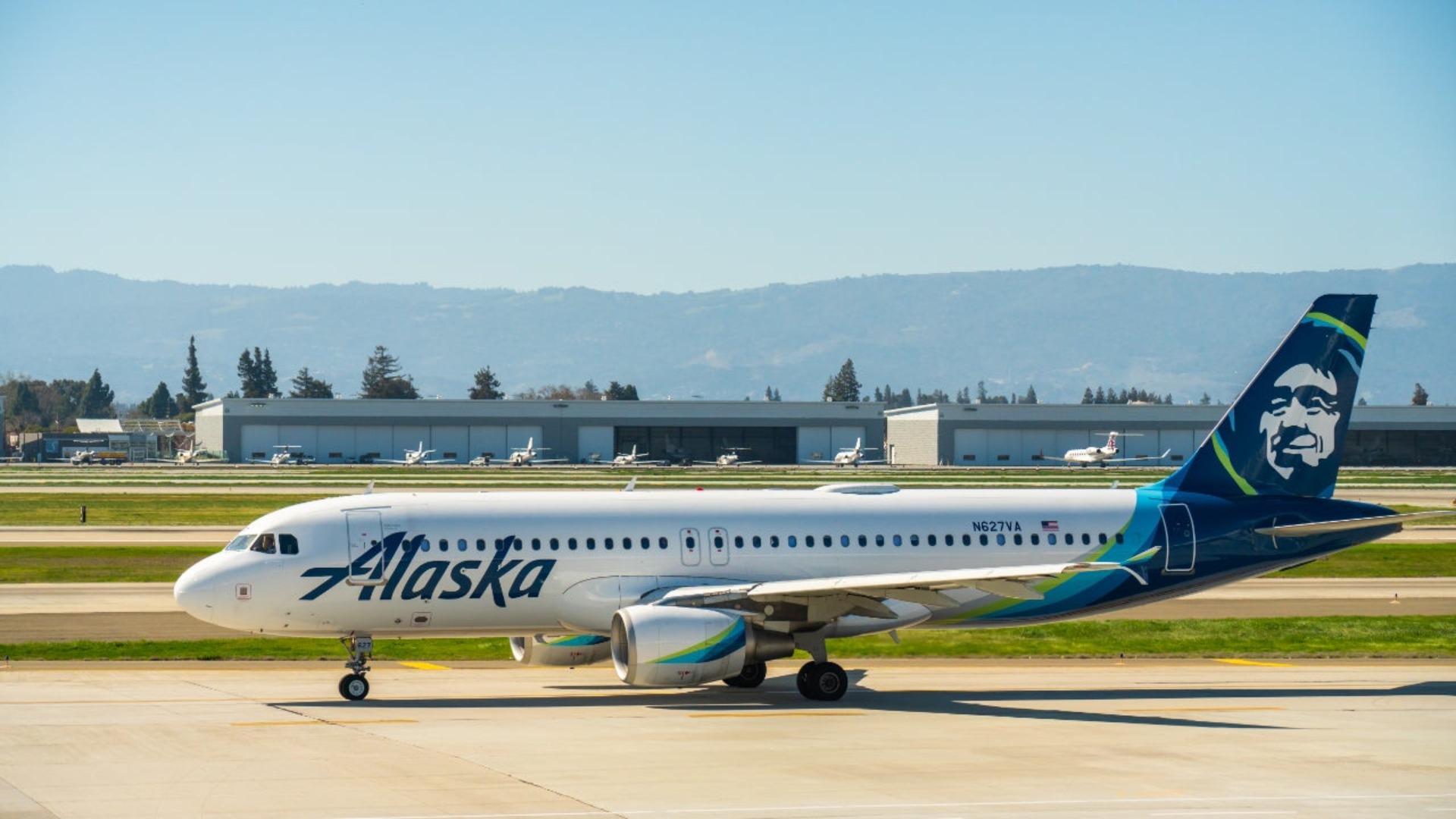
On Friday, the FAA announced an immediate escalation in its oversight of Boeing, triggered by an incident involving the detachment of an exit door plug on an Alaska Airlines Boeing 737 Max 9 during a flight on January 5th.

The FAA plans to audit the Max 9 production line and its suppliers to ensure Boeing's adherence to quality-control standards. The outcomes of this analysis will determine the necessity for further audits. Additionally, the FAA will intensify its monitoring of in-service Max 9 events.
The agency is also considering ending the practice of allowing Boeing employees, under FAA supervision, to issue aircraft airworthiness certificates. This procedure, known as delegated authority, aimed to expedite aircraft certification but faced criticism following oversights in certifying the Boeing 737 Max 8, which had a fatal flaw in its flight-control system.
FAA Administrator Mike Whitaker highlighted the need to reassess the delegation of authority and its related safety risks, citing the grounding of the 737-9 and multiple production issues in recent years. The FAA is contemplating involving an independent third party to oversee Boeing's inspections and quality system.
These steps by the FAA follow their announcement of an investigation into Boeing's compliance with safety standards for its 737 Max 9 airplanes, initiated a day prior.
Following the January 5 incident, around 171 Max 9 aircraft, mainly operated by Alaska and United, remain grounded. The incident occurred when the exit door plug of Alaska Flight 1282 detached after takeoff from Portland, Oregon. The flight managed a safe return to Portland despite the issue, with no casualties reported.
The National Transportation Safety Board, investigating the incident, found that all four bolts were missing from the Alaska door plug, later found in a Portland schoolteacher's garden.
United has reported potential issues with loose bolts on some emergency exit door plugs in grounded Max 9 aircraft. Similarly, Alaska noted visible signs of "loose hardware" on some of its Max 9 planes.
Boeing CEO Dave Calhoun acknowledged a mistake in a staff meeting on January 9th.

Latest Articles