The first "net zero" transatlantic flight planned for the latter half of 2023
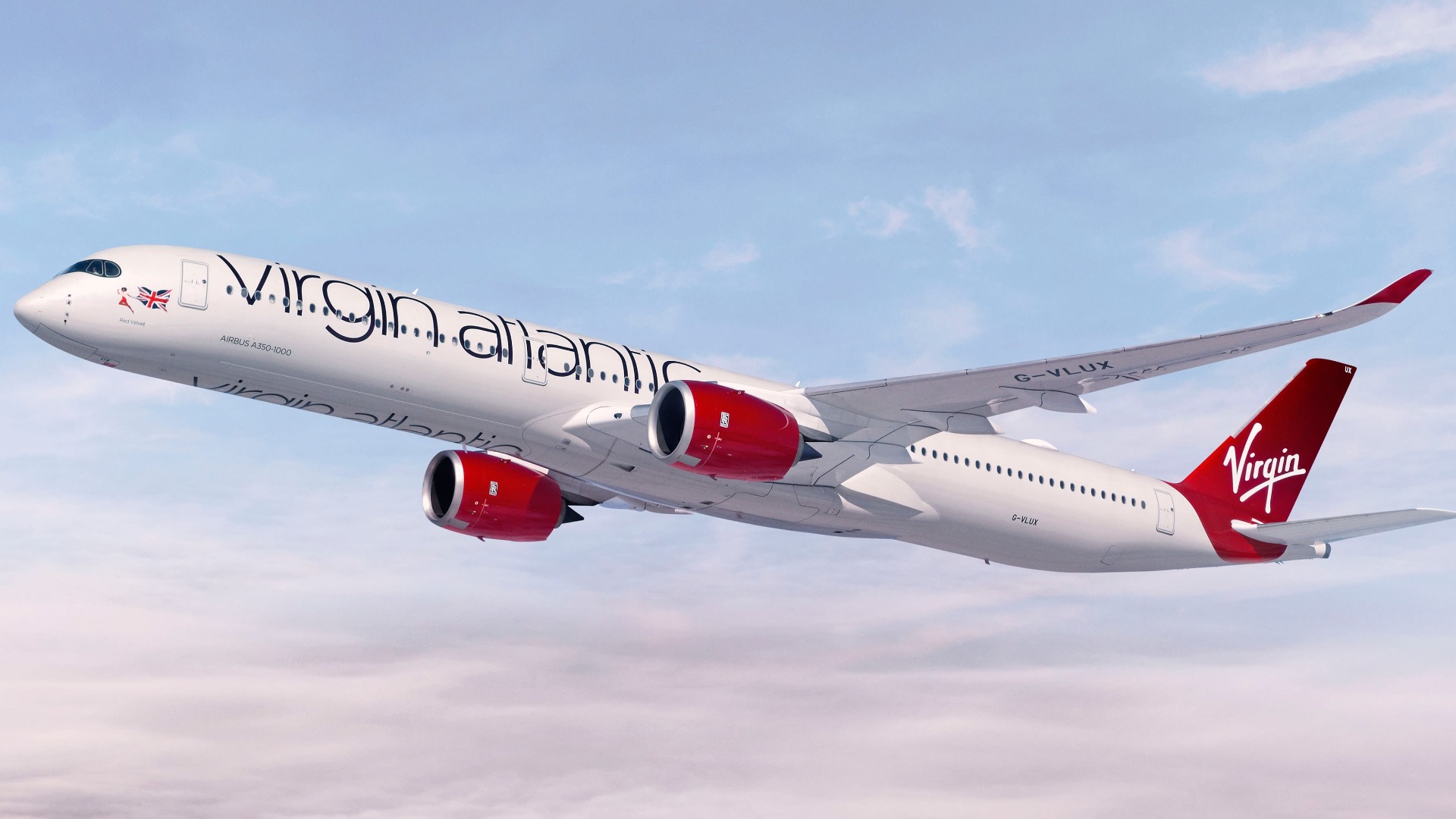
Next year, Virgin Atlantic will make history by operating the first transatlantic flight with zero carbon emissions.

Back in May, Virgin announced that it had won a $1.05 billion deal to operate Boeing 787 flights between London Heathrow and New York JFK on behalf of the United Kingdom government. As for now, the planned flight, the Department of Transportation said, will be a major breakthrough toward sustainable air travel.
According to the International Air Transport Association (IATA), throughout the length of the "fuel life-cycle," planes using SAF can reduce emissions by about 70–80 percent. Currently, the industry uses SAFs that are blended together with conventional fossil fuels in 50% proportions.
However, according to a government official, "100 per cent SAF will enable the delivery of a net zero flight”.
Sustainable aviation fuel, a low-emissions fuel derived from waste materials like used cooking oil, agricultural waste, and domestic rubbish, will be the fuel of choice for the whole trip from the United Kingdom to the United States.
Grant Shapps, the transport secretary, has pledged to accelerate the necessary testing and clearances for SAF technology needed for the flight.
“This trailblazing net zero emissions flight, a world first, will demonstrate the vital role that sustainable aviation fuel can play in decarbonising aviation in line with our ambitious net zero targets,” Shapps added.
On the other hand, the true sustainability of Sustainable Aviation Fuels is a hot topic, as these solutions are not a perfect fix to totally cut aircraft emissions.
According to environmentalists, SAFs produce at least as much carbon dioxide as kerosene does and its manufacturing process may still harm the environment. Plantations of crops like palm oil, rapeseed, or soy are a primary source of deforestation, and their use in products is very destructive.
Moreover, activists have charged that proponents of SAF technology are trying to "greenwash" the polluting aerospace sector. The government's jet-zero strategy has been also criticised as "unrealistic" by climate consultant Element Energy.
At the same time, travellers who are actively protecting nature are increasingly opting to use trains instead of planes.
About 2% of the world's total carbon emissions come from the aviation industry. However, the use of SAFs is often cited as the optimal strategy for decarbonization and IATA has aspirations to become carbon neutral by the year 2050, with its members accounting for more than 80% of global air travel.
The 'ReFuelEU' proposal suggested by the European Commission would require fuel providers to use 2% SAF beginning in 2025, rising to 63% SAF by 2050.
The United Kingdom government has mandated that at least three commercial SAF manufacturing units by the year 2025. The government has also promised £180m (€212m) to the SAF sector.
However, according to projections made by the Climate Change Committee (CCC), just 7% SAF would be used by the UK aviation sector in 2030.
source: euronews.com

Latest Articles