The Great Barrier Reef is affected by bleaching
A new study has confirmed that the worst assumptions of the environmentalists become reality as 93 percent of the Great Barrier Reef in Australia has been affected by bleaching. The case was set: the water temperature is rising and this causes coral bleaching.

Terry Hughes, the principal investigator and founder of a team fighting this tragedy declared that it seems like in the northern Great Barrier Reef, 10 cyclones pounced at once on the reef. The team has spent the last weeks making aerial studies in more than 911 individual reefs along 2300 km as the Great Barrier Reef stretches. This is how the team of researchers has found out that only 68 of them (7%) escaped bleaching. A team consisting of divers-scientists has also confirmed these results by researching underwater evidences.
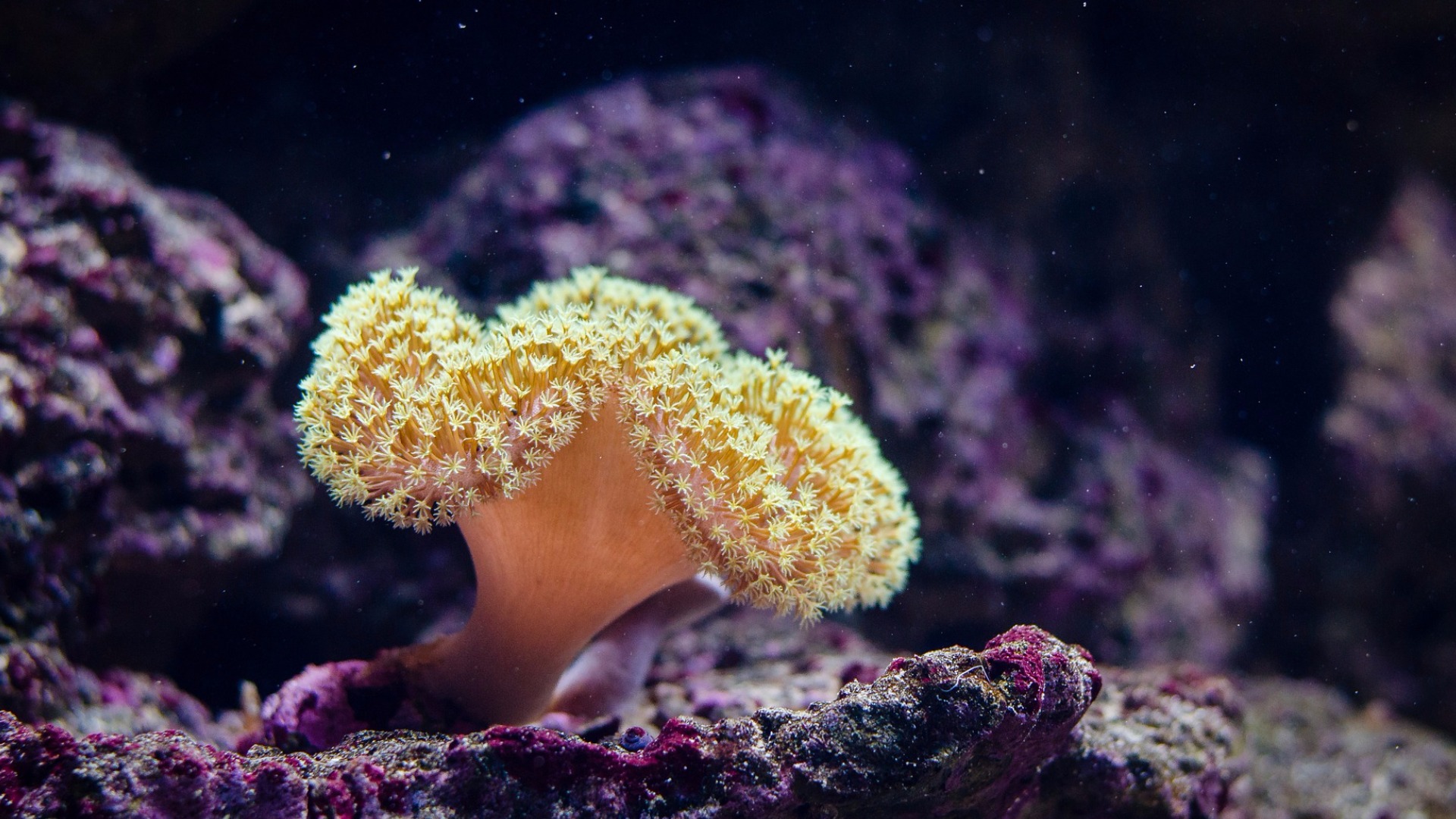
The coral bleaching is a difficult to stop process with devastating effects. Corals derive their beautiful and vibrant color from the small algae living in their tissues. But when the water temperature overheats, the algae are expelled and corals become "empty". This phenomenon turns the corals’ bones into white and leaves them vulnerable to destruction.
But there is hope that, with decreasing water temperatures, corals will recover. Once the ocean will cool again, Australia will enter the winter season and the algae return to corals will restore their color. Still, the scientists do not know how many reefs will survive or how fast the temperatures will start to fall after a record hot summer.
Andrew Baird spokesman of ARC Center ARC of Excellence in the study of coral reefs declared that the whitening process reached a crucial point in the northern region, about 1,000 km from Port Douglas to northern Strait Torres, between Australia and Papua New Guinea.

Latest Articles