Tourist Submarine Still Missing, Search Continues
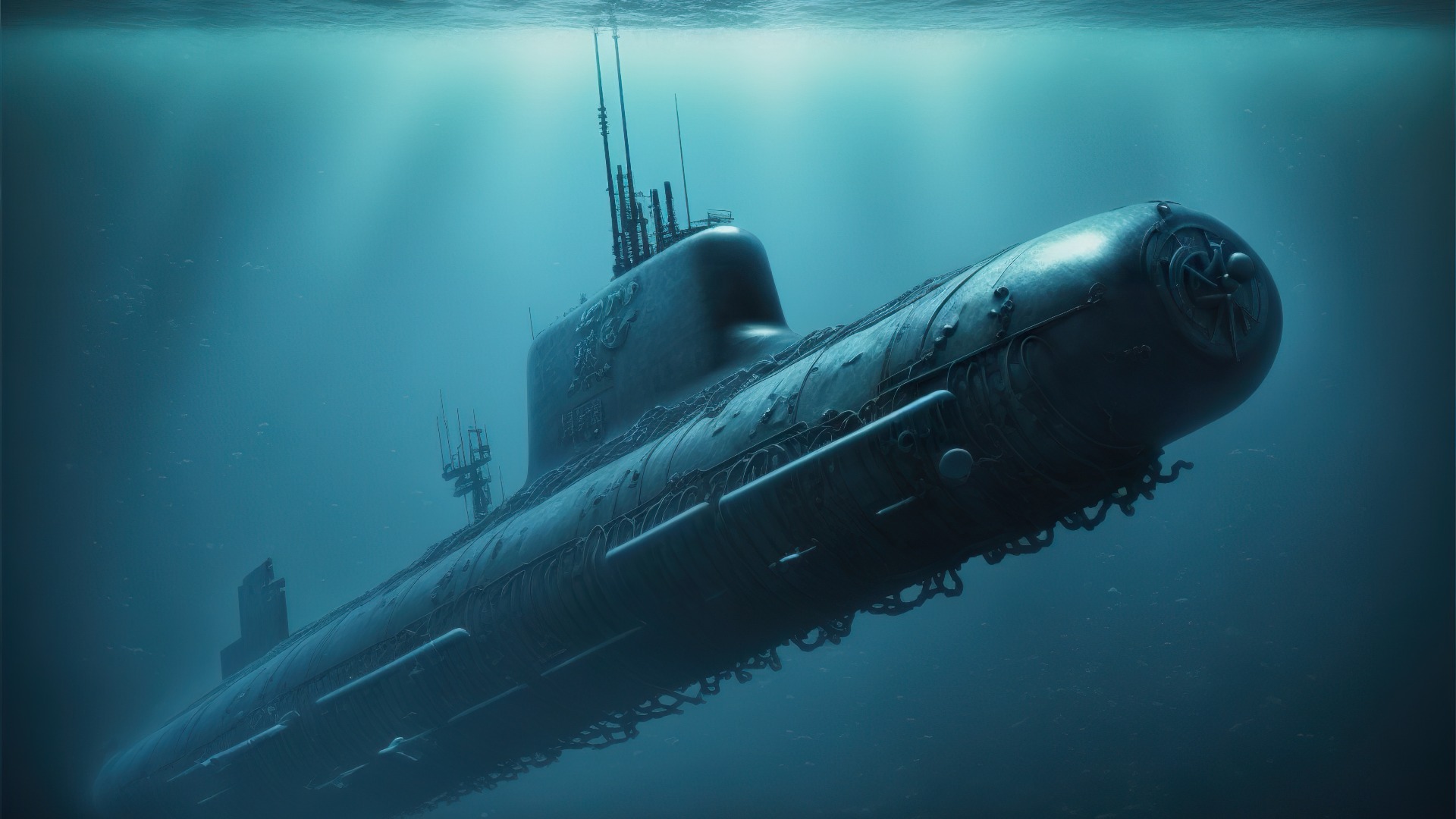
The missing submersible from Sunday's search in the North Atlantic Ocean has not been found despite extensive efforts by rescue teams.

The amount of oxygen needed for the five people aboard the missing submersible is running low, so search teams are working against the clock to locate it, as a Canadian aircraft scanning the Atlantic Ocean as part of the rescue efforts heard what sounded like "banging" in the area where the sub was last seen.
Since the underwater noises prompted a shift in the rescue mission, the US Coast Guard has been in charge, but their efforts have "yielded unfavourable results" at the moment.
As of Wednesday morning, experts believe the ship has around 30 hours of oxygen remaining.
A multinational search and rescue operation was launched late Sunday night in seas approximately 700 kilometers off the coast of Newfoundland, Canada, after Canadian officials reported the submarine missing.
The submarine crew was on a mission to explore the Titanic's remains, so they dove to a depth of around 3,800 meters. In addition to the pilot and the famous British explorer, there were also a pair of members of a Pakistani business family and a Titanic specialist on board. The Titan submarine left at around 6 a.m. on Sunday with enough oxygen to last for almost 96 hours. Therefore, oxygen levels may be depleted by Thursday morning at 6 a.m.
Either the submarine's power was off or a hull breach occurred, and the ship immediately exploded, as posited by specialists. Rescuers face significant difficulties, experts agree.
According to a tweet sent by the US Coast Guard on Tuesday morning, a 10,000 square mile region has been combed through. According to a Coast Guard tweet, the Canadian research icebreaker Polar Prince will keep up its surface operations with the assistance of a Canadian Boeing P-8 Poseidon surveillance plane. Overflights were also made by two US Lockheed C-130 Hercules planes. The Canadian military deployed sonar buoys in the hopes of picking up Titan's noises.
Archaeologists and marine biologists are among the members of OceanGate's excursions to the Titanic disaster site. Mission experts, for whom the corporation charges €230,000, are also included. In the submersible, they take turns using the sonar system and completing other duties.
The remains of the Titanic may be found 3,800 meters below the surface of the Atlantic Ocean, some 400 nautical miles west of the coast of Canada. On its inaugural trip in April 1912, the ship collided with an iceberg and sank. As many as 2,200 individuals were on board. In 1985, the shipwreck was located. In recent years, visitors have been able to take tiny submersibles to the site.
According to OceanGate's official website, the company's maiden dive took place in 2021. Each of its missions is expected to have a research purpose, and each dive is anticipated to take eight hours to complete from the surface to the depths below.
Source: euronews.com

Latest Articles