Vietnam's Ha Long Bay Littered With Waste
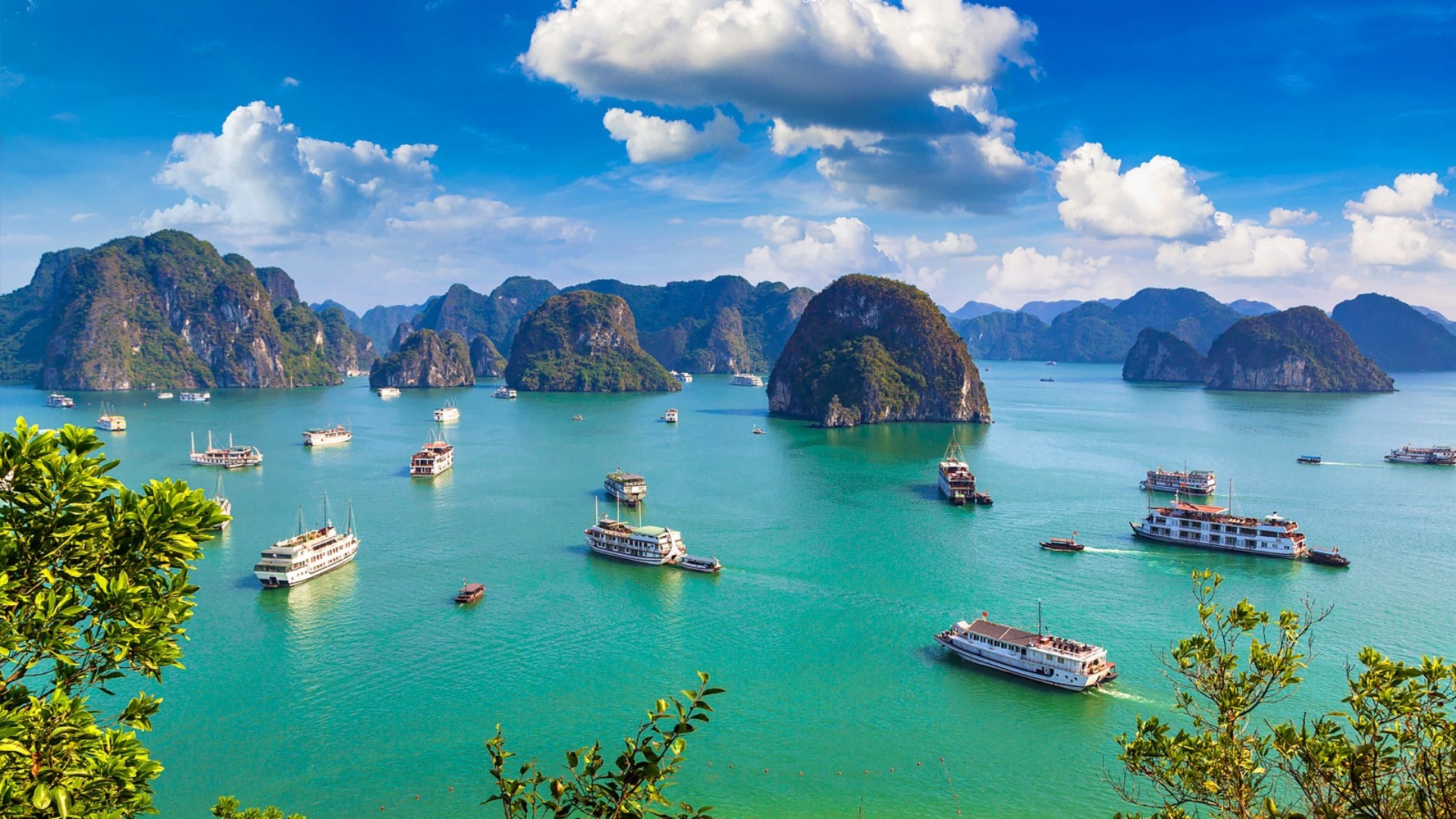
Ha Long Bay is one of the most breathtaking natural attractions in Vietnam. The flood of plastic trash, however, poses great danger to the UNESCO World Heritage site.

The UNESCO World Heritage Site, known for its dazzling blue seas interspersed with majestic rainforest-topped limestone islands, has been destroyed by human activities, and the plastic waste dumps are the most obvious indicator.
According to the management board of Ha Long Bay, local authorities have gathered 10,000 cubic meters of garbage from the ocean in only three months, the equivalent of four Olympic swimming pools. Moreover, over the last two months, the garbage situation has become much worse as fisherman dumped their unused polystyrene into the ocean after a plan to replace styrofoam buoys at fisheries with more environmentally friendly alternatives failed.
According to official media, officials have authorized a clean-up operation including 20 barges, 8 vessels, and countless workers. Ha Long Bay Management Department environmentalist Do Tien Thanh stated the buoys were a temporary problem, but conceded that Ha Long Bay is currently under considerable strain.
The beautiful limestone karsts of Ha Long Bay, on Vietnam's northeastern coast, attracted almost seven million tourists in 2022. This year, officials are anticipating an increase to 8.5 million.
However, the environment has been seriously harmed due to the site's notoriety and the fast development of Ha Long City, which now has a gondola, amusement park, luxury hotels, and hundreds of new dwellings. Researchers have shown that 234 unique coral species formerly flourished in the area. Today, the figure is about halved.
Over the last decade, there have been encouraging indications of recovery, with coral covering steadily expanding again and dolphins, who had been driven out of the bay a decade ago, returning in tiny numbers as a result of a prohibition on fishing in the main areas of the UNESCO site.
The garbage, both plastic and human, remains a major issue, nevertheless. If not correctly managed, the residential litter from the areas surrounding Ha Long Bay has a significant effect on the biological system, including the coral reefs. At the moment, Ha Long City is able to treat only 41% of its wastewater.
However, the Ha Long Bay management board reported that after banning single-use plastics, overall plastic consumption on board has decreased by 90%. Yet, despite efforts by a crew of garbage collectors, certain areas of the beach continue to be lined with debris created ashore.
The World Bank reported that rapid economic expansion, urbanization, and changes in lifestyle have created a "plastic pollution disaster" in Vietnam. In 2022, it was reported that nation was one of the top five countries responsible for plastic pollution of the world's seas, with an annual plastic waste production of 3.1 million tonnes. According to the World Bank, the amount of leakage may double by 2030.
Source: euronews.com

Latest Articles