
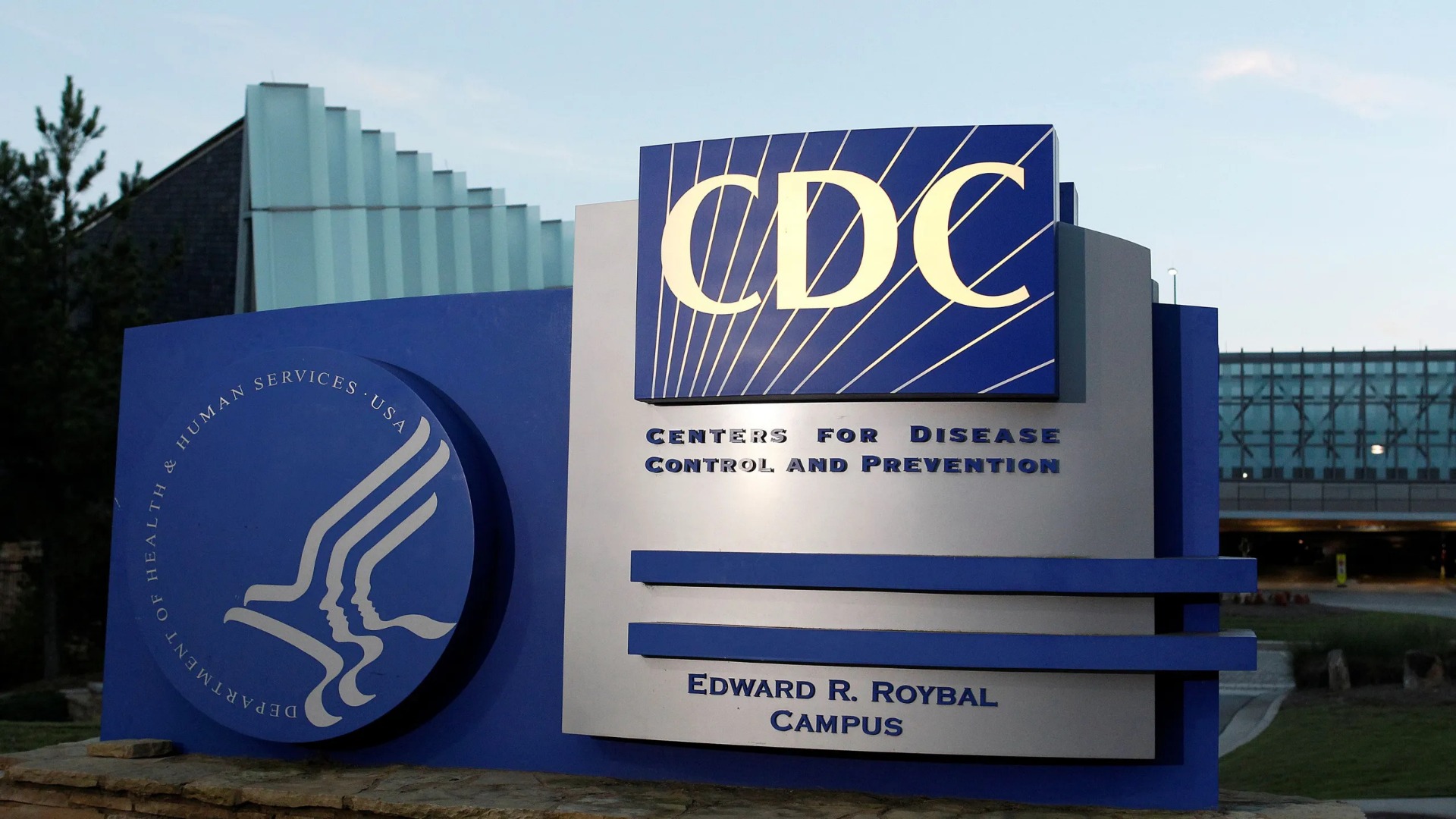
CDC updates “high risk” destinations category
The US Centers for Disease Control and Prevention added five more hot travel spots in the Level 3 high risk category for Covid-19.

Four out of the five new destinations were previously listed as "moderate" risk and one as “low risk”, as the categories go from Level 4 – Extremely high risk to Level 1 – Low risk.
The five destinations that were recently moved to the high risk category are Bahamas, Belize, Eswatini, Montserrat and Saint Vincent and the Grenadines.
The changes are important, as in the past month the advisory list suffered little to no notable shifts in places when considering the Omicron variant.
Level 3, the high risk category, applies to destinations with over 100 cases per 100,000 residents in the past 28 days, and also includes the following countries in Europe and across the world: France, Germany, Greece, Spain, United Kingdom, Brazil, Canada, Costa Rica, Malaysia, South Korea and Thailand, with a total of 115 destinations at this level at the moment. As recommended by the CDC, when travelling to a level 3 category destination, visitors are advised to fully vaccinate before the trip, boosters included and also follow all related recommendations by health officials.
Destinations with "Level 2: Covid-19 Moderate" advisory are the ones with 50 to 100 Covid-19 reported cases per 100,000 residents in the past 28 days. Jamaica, Kuwait and Mongolia were moved to this level, from a total of 20 destinations in the category. CDC recommends a round vaccination scheme prior to travelling to these zones.
Level 1 “Covid-19 Low Risk" destinations include countries that have reported only 49 or fewer new cases per 100,000 residents over the past 28 days. Egypt was the only one added to this category during the last updates, with a 55 places long list at this risk level.
A special category listed by the CDC is the “Unknown risk”, due to lack of data. Mauritania, French Polynesia, the Azores, Cambodia and Tanzania are included in this category.
According to medical analyst, emergency physician and professor of health policy and management at the George Washington University Milken Institute School of Public Health, Dr. Leana Wen, the disease has moved into "a phase where people need to make their own decisions based on their medical circumstances as well as their risk tolerance when it comes to contracting Covid-19".
"Another [factor] is what precautions are required and followed in the place that you're going and then the third is what are you planning to do once you're there. Are you planning to visit a lot of attractions and go to indoor bars? That's very different from you're going somewhere where you're planning to lie on the beach all day and not interact with anyone else. That's very different. Those are very different levels of risk", Dr. Wen added.
Medical experts advise travellers to avoid visiting risky destinations, as well as other remote places, until clearance by the authorities. Moreover, vaccination remains the most useful tool against Covid-19 transmission.
Source: edition.cnn.com

Latest Articles