
Ethical tourism – the importance of wildlife conservation
If aiming to experience wildlife tourism, take responsibility and make sure you don’t encourage animal abuse, as wild animals belong into the wild

Wildlife tourism is a growing industry gaining up to $250 billion each year. As tourists are showing increased interest in spending their holidays closer to nature, only a few know that up to 550.000 wild animals are being kept captive in different wildlife attractions worldwide.
Annually, more than 100 million people choose to join this kind of attractions, unaware of the cruelty practices behind the scenes or the species conservation and animal welfare impact of their visits.
If aiming to raise awareness on animal cruelty and avoid encouraging animal abuse while on holiday, make sure you pay attention to the following crucial aspects:
Never accept riding wild animals – for instance, elephant riding is highly popular in some Asian and African countries. Tourists should know that in order to be tamed to perform the ride, the elephant endures a cruel and very traumatic training process, also known as “the crush”. While in this process, the animals, even the young ones, are being chained, beaten, fire threatened and isolated to become fearful and obey their trainer.
Don’t take photos with lion or tiger cubs and never encourage wild animals to perform tricks, as the cubs are separated from their mothers and kept in improper conditions and animal performers usually suffer the same grotesque training program before being used to entertain tourists.
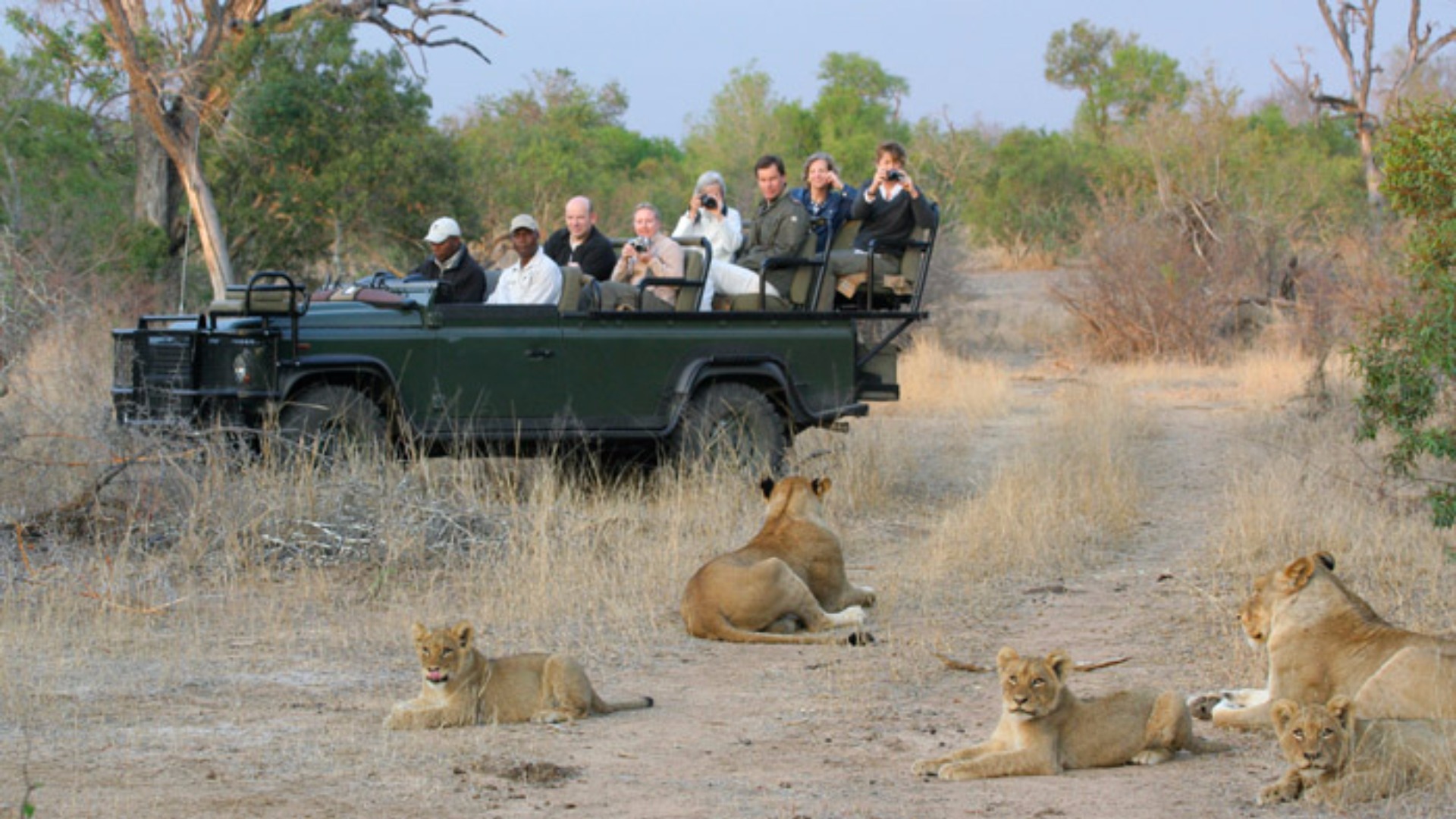
Don't buy endangered species souvenirs - sea turtle shells, for example, are highly desirable by tourists. Please note that some species are intensively exposed to poaching and commercial exploitation and by buying these items you contribute on a large scale to atrocious animal cruelty practices. Watch animals in their wild, natural habitat, not in tiny cages – choose humane and sustainable safaris and animal watching trips.
Support organisations and sanctuaries that rescue and look after wild animals – animals here should be provided proper veterinary assistance, access and close contact to other members of their species, a natural habitat, no behavioral restrictions, no exploitation, no breeding program. Real animal-friendly sanctuaries are usually NGO models that raise awareness over animal abuse methods and constantly educate their visitors about animal welfare and endangered species conservation topics.
Do not look away when witnessing animal abuse – report animal cruelty to local authorities and publicly review the incident’s location and circumstances, so that other tourists will not buy the same wildlife package and unawarely sustain animal abuse practices.

Latest Articles