
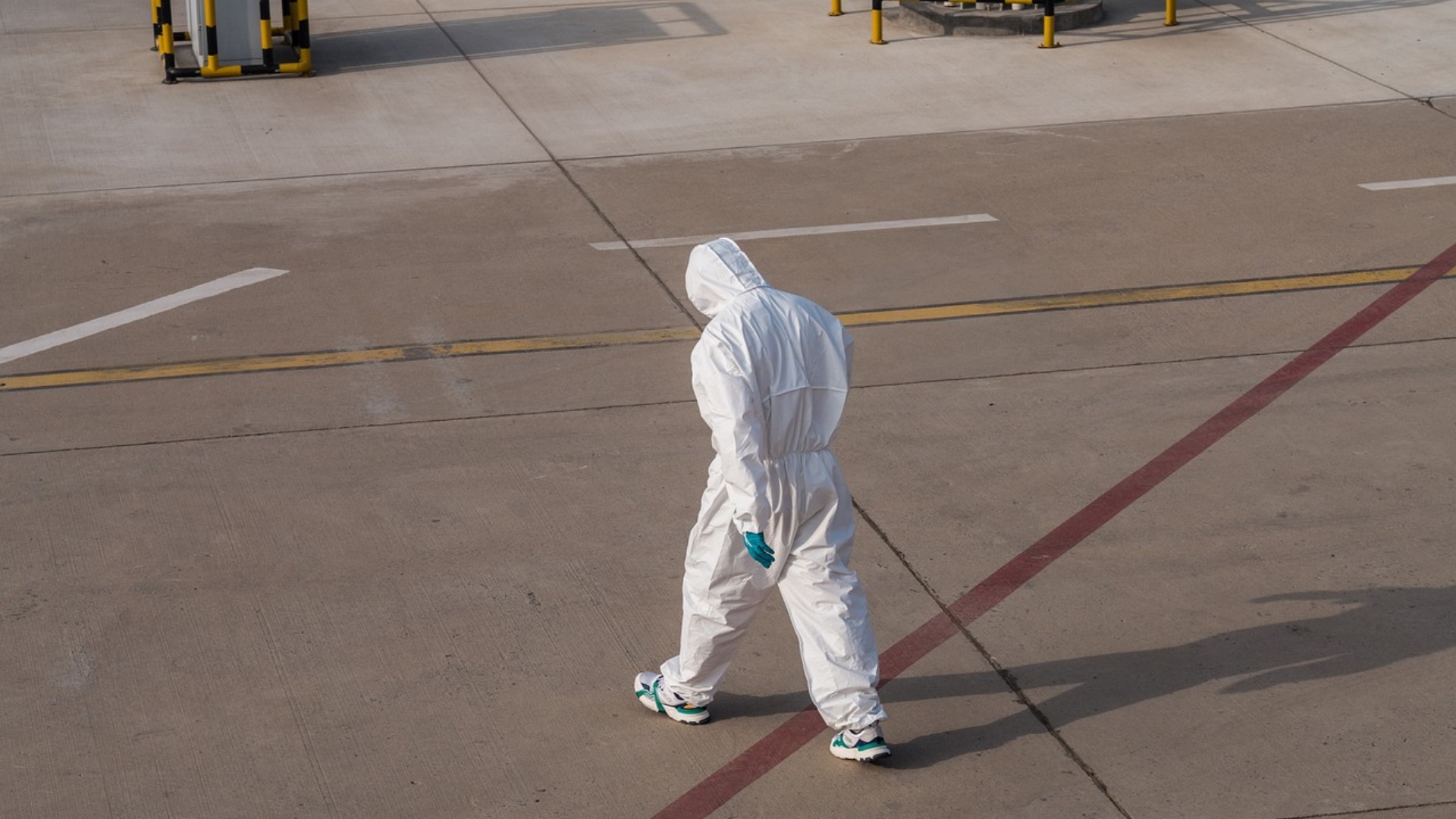
China will significantly loosen its travel regulations
As of January 8, 2023, the country will no longer require nucleic acid testing or a centralised quarantine of all incoming tourists.

China's National Health Commission (NHC) responsible for developing public health policies, has announced that the official name for COVID-19 would be changed to the "novel coronavirus infection", with the preventative and control measures for a Class B contagious diseases being applied. Because of its high contagiousness and potential for severe human impact, new coronavirus pneumonia was previously classed as a Class B infectious illness but is now subject to the preventative and control procedures for a Class A infectious disease.
In addition, the Border Health and Quarantine Law of the People's Republic of China has removed COVID-19 illness from its list of contagious disorders subject to quarantine.
Furthermore, the NHC issued an advisory which provides further detail of what China would do beginning on January 8, 2023. The changes include:
- no isolation for cases with COVID-19;
- no tracing of infected individuals' close contacts
- stop separating safe and unsafe zones;
- adjusting medical insurance policies and implementing categorised therapy for COVID-19 patients;
- changing the timing and nature of the dissemination of information about infections; making PCR testing optional;
- no restrictions related to admission of people or products.
Foreign tourists visiting China will no longer need to submit an application for a health code to Chinese embassies or consulates, while a negative nucleic acid test within the previous 48 hours will still be necessary. Inbound passengers will no longer be required to undergo centralised quarantine or undergo nucleic acid testing. A person is free to leave the quarantine area of a customs port and rejoin society if their health declaration and regular quarantine check are both negative.
The "five-one" policy, which states that each foreign airline must keep just one air route to China and operate no more than one trip per week, and the passenger load factor restriction will be abolished in order to increase the number of foreign passenger flights. Nonetheless, airlines will still need to safeguard against the spread of illness on flights, thus mask use remains mandatory.
When foreigners need to come back to China for various reasons including resuming job, doing business, attending school, or reuniting with family, the Chinese government will make it easier to get a visa.
Passenger transit through sea and land ports will eventually be restored. As the international pandemic condition and the service support capabilities of all sectors improve, China will gradually recommence outbound tourism.
Many companies who have suffered during the last three years of COVID-19 policy inertia are now appreciating the abrupt shift in direction regarding travel requirements. China has achieved significant efforts in "living with the virus" over three years after the first COVID-19 case was revealed. The National Health Commission published a package of ten measures on December 7, 2022, which essentially ended China's zero-COVID plan by doing away with measures including centralised quarantine, forced testing, and widespread lockdowns.
Source: china-briefing.com

Latest Articles